
Beginner’s Guide to Building a Korean Skincare Routine
11/26/20259 min read
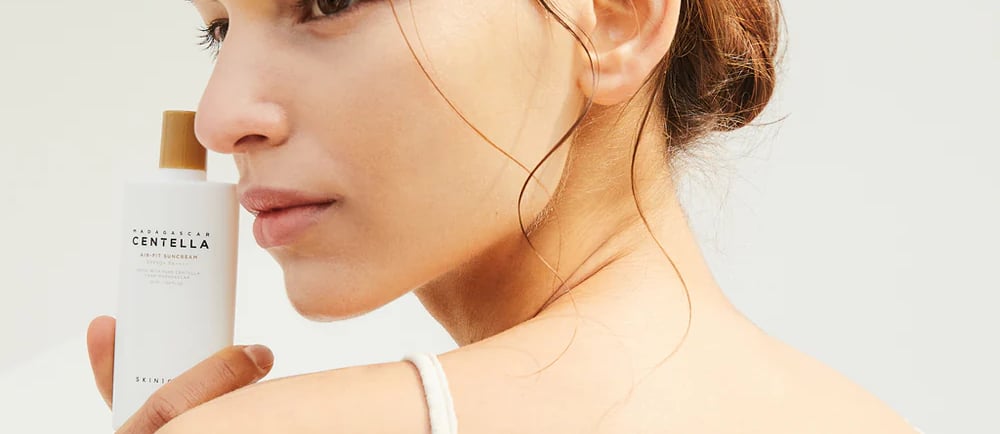
Understanding the Basics of Korean Skincare
Korean skincare has gained international acclaim for its meticulous and multi-faceted approach to maintaining skin health. At its core, this regimen is built on the principles of prevention, hydration, and the pursuit of a luminous complexion. The philosophy behind Korean skincare revolves around the belief that achieving healthy skin involves not just the use of effective products but also the incorporation of specific techniques tailored to individual skin types and concerns.
One of the foundational elements of this routine is prevention. Korean skincare emphasizes the importance of taking proactive measures to combat potential skin issues before they arise. This might involve daily practices such as consistent sunscreen application, which protects the skin from harmful UV rays, or the regular use of antioxidant-rich products to fight off environmental stressors. The goal is to maintain skin integrity and prevent premature aging, thereby ensuring a youthful appearance.
Another crucial aspect is hydration. Korean skincare routines often include multiple steps and diverse products aimed at providing sustained moisture to the skin. From water-based toners to rich creams, each product serves to enhance the skin's moisture barrier. Hydrated skin is not only more resilient but also has a natural, healthy glow that many seek to achieve. This focus on layering hydrating products contributes to an overall more dewy and supple skin texture.
Ultimately, a well-rounded Korean skincare routine combines the right products with appropriate application techniques to cultivate skin health. By understanding these fundamental principles, individuals can effectively tailor their own skincare regimens to address specific needs and preferences. This foundational knowledge will serve as a valuable springboard as they explore the subsequent steps involved in crafting a personalized Korean skincare program.
Step 1: Cleansing Your Skin
In the realm of Korean skincare, cleansing is paramount and serves as the foundation for any effective skincare routine. A well-executed cleansing process ensures the removal of dirt, oil, and makeup, allowing subsequent products to penetrate the skin more effectively. Central to this routine is the concept of double cleansing, which has gained popularity due to its efficacy in achieving clean and clear skin.
The double cleansing method involves using two types of cleansers: an oil-based cleanser followed by a water-based cleanser. The oil-based cleanser is designed to dissolve makeup and excess sebum, making it an essential first step. Products containing natural oils, such as jojoba or sunflower oil, are particularly effective. For beginners, a suitable oil cleanser might be a lightweight option like the Banila Co. Clean It Zero Cleansing Balm, which gently breaks down makeup without stripping the skin’s natural moisture.
Following the oil cleanser, a water-based cleanser is used to remove any residual impurities. This second step is crucial for ensuring that the skin is entirely clean. A gentle foaming cleanser, such as the COSRX Low pH Good Morning Gel Cleanser, is an excellent choice for beginners. It maintains the skin's delicate pH balance, ensuring it does not feel tight or dry after cleansing.
The proper technique for cleansing involves massaging the oil cleanser onto dry skin for about a minute, focusing on areas with more makeup. Rinse it off with lukewarm water and pat the skin dry with a clean towel. Next, apply the water-based cleanser in circular motions before rinsing thoroughly. This method not only cleanses but also promotes circulation and relaxes the facial muscles, preparing the skin for the next steps in the skincare regimen. Emphasizing the importance of cleansing in your routine is the first step towards achieving radiant, healthy skin.
Step 2: Exfoliating for Smooth Skin
Exfoliation is a crucial step in any skincare routine, particularly within the realm of Korean beauty, as it enhances skin texture and prevents clogged pores. This process involves removing dead skin cells from the surface of the skin, promoting cell turnover, and revealing a smoother, more radiant complexion. There are two primary types of exfoliators: physical and chemical. Understanding the distinctions between these types and how to incorporate them into your routine is vital for achieving optimal results.
Physical exfoliators, also known as manual exfoliators, often come in the form of scrubs or tools that physically slough away dead skin cells through friction. These products typically contain granules or beads designed for this purpose. It is important, however, to choose gentle formulas that do not irritate the skin or cause micro-tears, especially for beginners. One could consider using a soft washcloth or a konjac sponge for a delicate approach to physical exfoliation without compromising skin health.
Chemical exfoliators, on the other hand, utilize active ingredients such as alpha hydroxy acids (AHAs) and beta hydroxy acids (BHAs) to dissolve dead skin cells and improve skin texture. AHAs, like glycolic and lactic acid, are water-soluble and suitable for those with dry or sun-damaged skin, while BHAs, notably salicylic acid, are oil-soluble and excellent for individuals with acne-prone or oily skin. When incorporating chemical exfoliators, start with a lower concentration to assess skin sensitivity, and gradually increase usage as tolerated.
For beginners, it is recommended to incorporate exfoliation into your routine 1-2 times a week, depending on skin type and tolerance. Always remember to follow up with a hydrating moisturizer to nourish the skin post-exfoliation. A well-rounded exfoliation practice will not only achieve smoother skin but also enhances the overall effectiveness of subsequent skincare products. In conclusion, understanding the appropriate type of exfoliation and selecting suitable products are key components in a successful Korean skincare regimen.
Step 3: Toning for Balance
Toning is an essential step in a Korean skincare routine, serving as a bridge between cleansing and moisturizing. After cleansing, it is crucial to restore the skin's pH balance. Many cleansers, while effective, can disrupt the skin's natural acidity, leaving it feeling tight and dry. A toner helps to address this imbalance, ensuring that the skin is primed for the next steps in your routine. This preparation enhances the efficacy of subsequent products, making your skincare efforts more effective.
Toners can be generally categorized into two types: hydrating toners and astringent toners. Hydrating toners are typically more infused with moisturizing ingredients such as hyaluronic acid and glycerin, offering a boost of hydration to the skin. They are especially beneficial for dry or dehydrated skin types as they help to lock in moisture and keep the skin plump. On the other hand, astringent toners usually contain ingredients like witch hazel or alcohol, which can help to remove excess oil and minimize the appearance of pores. These toners are ideal for those with oily or acne-prone skin, as they can aid in controlling shine and breakouts.
For beginners, it is advisable to start with hydrating toners, especially if you are unsure about your skin type. Toners like the Klairs Supple Preparation Facial Toner and the Neogen Real Ferment Micro Essence are recommended for their gentle, hydrating properties and versatility. These products balance the skin without causing irritation, making them suitable for most skin concerns. As you become more familiar with how your skin reacts, you can explore other options tailored to specific needs.
In conclusion, incorporating a toner into your skincare regimen is a simple yet impactful way to optimize your routine. By restoring pH balance and prepping the skin, toners set the foundation for hydration and treatment products, promoting overall skin health.
Step 4: Applying Serums and Treatments
In the context of a Korean skincare routine, applying serums and treatments is crucial for addressing specific skin concerns such as acne, dryness, pigmentation, and signs of aging. These products are designed to deliver high concentrations of active ingredients that can penetrate deeply, providing tailored solutions suitable for various skin types. Understanding how to select and apply the right serum or treatment is essential for beginners aiming to enhance their skin’s health.
To begin, it is important to assess individual skin concerns. For those struggling with acne, serums containing salicylic acid or niacinamide can help reduce breakouts and control excess oil. If dryness is a primary concern, one should consider hydrating serums enriched with hyaluronic acid or glycerin. For pigmentation issues, products infused with vitamin C or other brightening agents can effectively target dark spots and even out skin tone.
When choosing a serum, always consider your skin type. Those with oily skin may prefer lightweight formulations that absorb quickly, whereas individuals with dry or sensitive skin might benefit from thicker, more nourishing options. Reading product labels and familiarizing oneself with ingredients will aid in identifying the most suitable serums.
It is also essential to apply serums correctly to maximize their benefits. After cleansing and toning, take a small amount of serum, usually a few drops, and gently press it into the skin using your fingertips. This method promotes better absorption and efficacy. Some individuals may also choose to layer multiple serums if addressing multiple concerns, ensuring each product soaks in before applying the next.
For beginners, brands like COSRX, The Ordinary, and Innisfree offer user-friendly options that are effective for a variety of skin issues. By systematically incorporating serums and treatments into your skincare routine, you can significantly improve skin texture and address persistent problems effectively.
Moisturizing for Hydration
Moisturizing plays an indispensable role in any Korean skincare routine, notably for its ability to lock in hydration and maintain the skin's moisture barrier. A well-moisturized complexion not only appears healthier but can also mitigate various skin issues, such as dryness and irritation. In this section, we will explore the various types of moisturizers available, how to select an appropriate product suited to one’s specific skin type, and emphasize the importance of incorporating this step into a daily skincare regimen.
Moisturizers broadly categorize into three main forms: gels, creams, and oils. Gels are lightweight and ideal for oily or combination skin types. They provide hydration without adding excess oil, making them an excellent option for those prone to breakouts. Creams, on the other hand, typically offer a denser consistency and are perfect for dry or dehydrated skin. They create a protective barrier that helps retain moisture levels throughout the day. Lastly, oils can be beneficial for all skin types, particularly in sealing in hydration; they often contain beneficial fatty acids that nourish the skin.
When it comes to selecting a moisturizer, it is essential to consider your skin type and concerns. For instance, those with sensitive skin should opt for products with soothing ingredients like ceramides or chamomile and avoid fragrances that may trigger irritation. Moreover, using a moisturizer consistently is vital in achieving the desired benefits. Incorporating this step every morning and evening ensures your skin remains hydrated and resilient, creating a smooth canvas for the rest of your skincare application.
For beginners, it is advisable to start with lightweight formulations, such as gel-based moisturizers or gentle creams. Some recommended products include Neutrogena Hydro Boost Water Gel for a refreshing feel or CeraVe Moisturizing Cream, which is known for its hydrating properties suitable for various skin types. By understanding the types of moisturizers available and selecting one that fits your skin needs, hydration can become an effortless part of your daily skincare routine.
Step 6: Sun Protection Essentials
Incorporating sun protection into your skincare regimen is crucial for maintaining healthy skin and preventing premature aging. The sun's ultraviolet (UV) rays can lead to various skin concerns, including sunburn, hyperpigmentation, and an increased risk of skin cancers. This is why using sunscreen daily should be a non-negotiable step in any comprehensive Korean skincare routine.
There are two main types of sunscreen: chemical and physical (or mineral). Chemical sunscreens absorb UV rays and convert them into heat, which is then released from the skin. Ingredients such as avobenzone and octisalate can be found in many popular formulations. On the other hand, physical sunscreens contain mineral ingredients like zinc oxide or titanium dioxide, which primarily work by sitting on top of the skin to reflect and scatter UV radiation. For beginners, it is advisable to try both types to determine which formulation feels more comfortable and effective on their skin.
When selecting a sunscreen, look for a broad-spectrum option with an SPF of 30 or higher to ensure comprehensive protection against both UVA and UVB rays. Many Korean brands have developed user-friendly sunscreens that offer lightweight textures and refined finishes, making them suitable for daily use. Brands like Missha, Biore, and Innisfree offer a variety of options that cater to different skin types and preferences.
Proper application of sunscreen is just as important as choosing the right product. It is recommended to apply a generous amount of sunscreen—approximately a nickel-sized amount for the face—about 15 to 30 minutes before sun exposure. Reapplication every two hours, or immediately after swimming or sweating, is essential to maintain protection. Using a sunscreen as part of your daily skincare routine will not only safeguard your skin from harmful UV rays but also preserve the results of your skincare efforts in the long run.
Maintaining Consistency in Your Skincare Journey
Establishing a consistent Korean skincare routine can be challenging, yet it is essential for achieving desired results. To help you stay on course, consider creating a daily schedule that incorporates each step of your routine into your morning and evening rituals. By allocating set times for applying your products, skincare transforms from a chore into a cherished part of your self-care routine. Use reminders on your phone or notes in visible places to maintain this schedule, ensuring your dedication to the regimen remains steadfast.
Being mindful of product layering is another crucial aspect of your consistent skincare application. Each product in a Korean skincare routine is designed to serve a specific purpose, and their effectiveness can be compromised if not used correctly. Begin with the thinnest formulations, such as serums, and gradually layer thicker products like creams. This method not only enhances absorption but also maximizes the benefits of each product. It is worth noting that the order of application can differ based on your skin type and the particular formulations used; thus, it is vital to read labels and understand the recommendations provided by manufacturers.
Furthermore, patience and persistence are essential components of an effective skincare regimen. It is common to encounter initial breakouts or irritation when trying new products, which can be discouraging. However, it is important to remember that skincare often requires several weeks or even months for noticeable improvements to manifest. Documenting your skin's responses through a journal can help track progress and identify what works best for you. Celebrate small victories along the way and adjust your routine as needed, knowing that skincare is a personal journey unique to each individual.
Staying consistent with these tips will pave the way towards achieving radiant and healthy skin, enhancing the overall efficacy of your Korean skincare routine. Maintaining dedication is not just about commitment; it's about nurturing your skin with care at every step.


Copyright © 2024 KPG Enterprises (P) Ltd.
All Rights Reserved.
FLAGSHIP STORE
🇳🇵 Kamalpokhari 30 City Center, Ground Floor (G04) Kathmandu 44600